Sixty years ago, on May 5, 1966, the cargo ship Fairland docked at Bremen’s Überseehafen after 10 days at sea, having departed the Port of Newark on April 26. Within one working day, the 100 containers on board were unloaded — versus the several days it normally took to unload a cargo ship in Bremen. The Fairland’s own cranes had to be used, because Bremen’s harbors did not yet have the gantry cranes necessary to move the “American boxes.” Within 24 hours, Malcom McLean’s Sea-Land Service, Inc. — the owner of the Fairland — had demonstrated the transformative capabilities of a then-new storage and transportation technology: the intermodal shipping container.
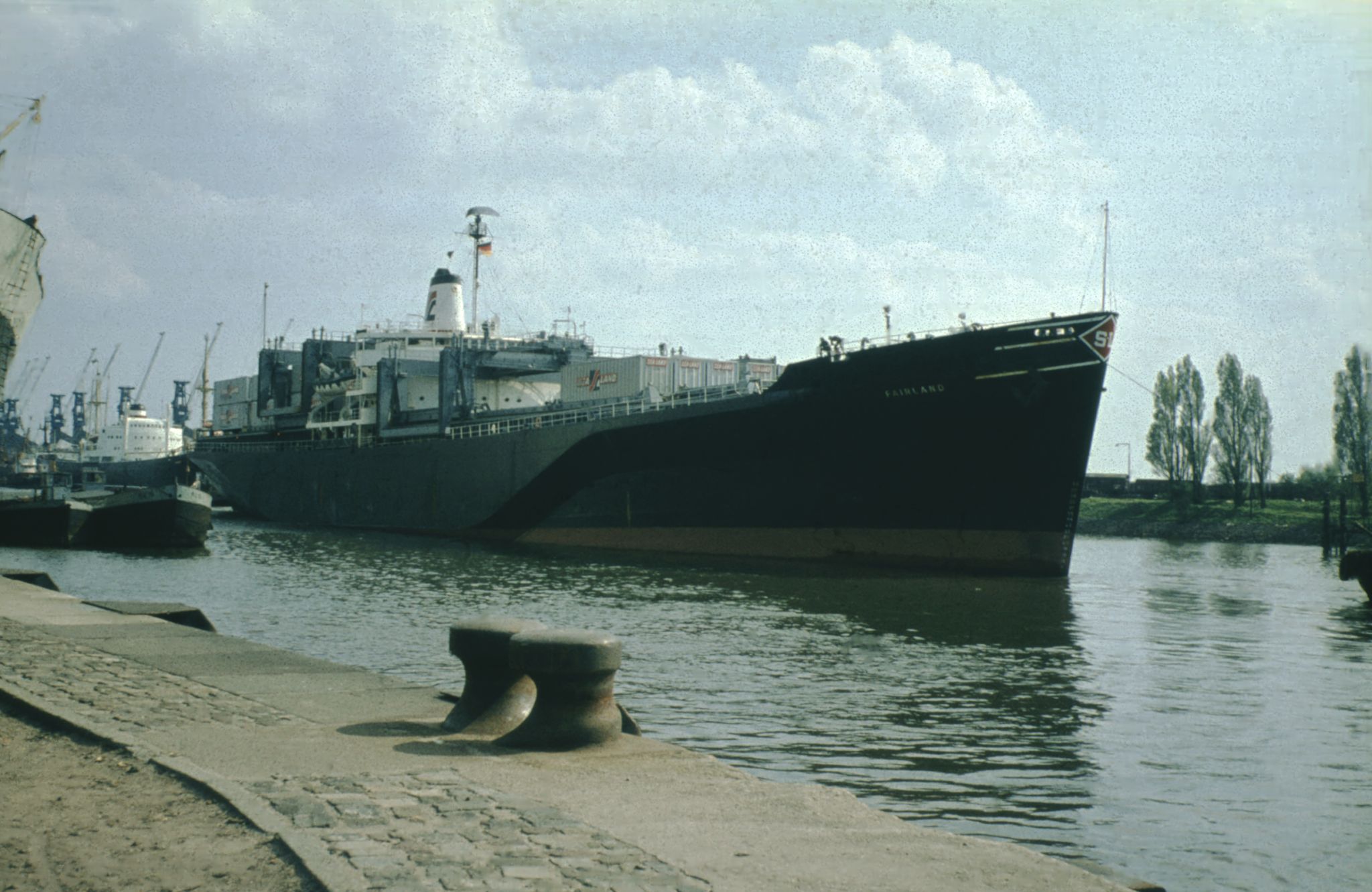
One year later, the first container crane was built in Bremen, and the previously slow transition from manual to machine hauling accelerated rapidly as more and more loading and unloading work was mechanized. As Bremen’s ports adapted to this new technology, so did import-export firms. Those companies that could not adjust to the faster turnaround times of global trade went under.
Sixty years after the beginning of modern containerization, a new structural shift is occurring in the regulations and the tariff architecture underpinning global trade. The companies that recognize and adapt to this new environment — as Bremen’s port leadership did in 1966 — will be the ones still operating in 2066. The technology is different this time; the lesson about who survives a structural shift is not.